Electronic signatures have transformed the way we do business. In a digital-first world, signing documents no longer requires printing, scanning, or mailing. But many companies still hesitate—questioning their legality, security, and environmental impact.
This guide breaks down what e-signatures are, how they work, and why they’re not only legally valid and secure but also significantly more sustainable than traditional ink-and-paper methods.
What Makes E-Signatures a Smart Business Choice?
1. They Are Legally Binding
In the US, EU, UK, and many other jurisdictions, e-signatures are legally recognized under laws such as ESIGN, UETA, and eIDAS. They carry the same legal weight as handwritten signatures when properly implemented.
2. They Are Secure and Traceable
Modern e-signature platforms include encryption, authentication (such as email verification or SMS codes), and audit trails that record when and by whom a document was signed.
3. They Save Time and Resources
No more delays from printing, mailing, or waiting for physical documents to return. E-signatures cut turnaround times from days to minutes.
4. They Reduce Paper Waste
Going digital means fewer printed pages, less ink, and no need for physical storage—directly contributing to a reduced carbon footprint.
Scenario: A Startup Streamlines Customer Onboarding
Scenario: A SaaS startup requires each new customer to sign a service agreement before activating their account.
Problem: The team initially used PDFs sent via email, which customers had to print, sign, scan, and return. This caused delays and sometimes resulted in lost or incomplete contracts.
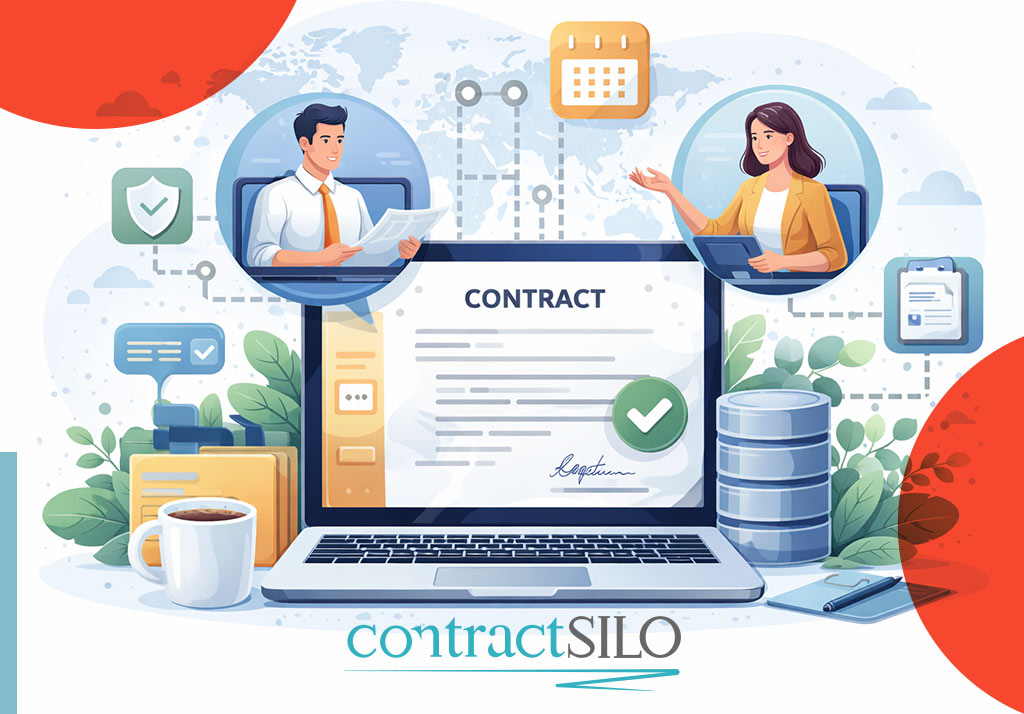
Solution: The company implemented contractSILO’s e-signature solution. Customers now receive a secure link, sign the document electronically, and complete onboarding instantly.
Result:
Contract turnaround time was reduced by over 90%. The process became smoother for both the team and the clients, with zero paper involved.
E-signatures are no longer a novelty—they are a necessity for modern businesses. They’re legally valid, highly secure, and dramatically more efficient than manual methods.
Platforms like contractSILO allow you to integrate e-signatures into your workflow with ease, enabling fast, traceable, and eco-conscious signing—at no cost for up to 50 contracts.
Make the switch to e-signatures and sign smarter, faster, and greener.
FAQ – Understanding E-Signatures
1. Are electronic signatures valid in court?
Yes. As long as consent is clear and the process follows proper authentication protocols, e-signatures are enforceable in most jurisdictions.
2. What is the difference between an e-signature and a digital signature?
An e-signature refers to any electronic method of signing. A digital signature uses encryption technology to ensure authenticity and is often more secure.
3. Can anyone use e-signatures, or are they limited to specific industries?
E-signatures are used across nearly all industries—finance, healthcare, education, legal, real estate, and more.
4. Are e-signatures secure enough for sensitive documents?
Yes. Trusted providers offer high-level encryption, two-factor authentication, and full audit trails for every signed document.
5. How do e-signatures contribute to sustainability?
They eliminate the need for printing, mailing, and storing paper, which significantly reduces paper consumption and related carbon emissions.
You might also like