Lessons Learned from Recent Crises
Global disruptions have forced businesses to rethink contract management—not just at the signing stage but throughout the contract lifecycle. A prime example is the Ever Given container ship incident in 2021, where the blockage of the Suez Canal halted international shipping for days. The result? Thousands of supply contracts were delayed, triggering penalties and straining commercial relationships.
Events like this prove that contract management must go beyond storage—it must be responsive, trackable, and revision-ready in critical situations.
Key Risks: Supply Chain Disruptions, Price Volatility, Force Majeure
During crises, contracts are stress-tested across multiple dimensions:
-
Supply Chain Interruptions: Delays in product or service delivery
-
Price Volatility: Fixed-price agreements may lead to major losses under inflation or currency shifts
-
Force Majeure Clauses: Legal protection mechanisms often overlooked or vaguely worded
Managing these risks requires constant monitoring, fast revisions, and full transparency among stakeholders.
Agile Processes for Contract Amendments
To adapt quickly, contracts must be editable, versioned, and traceable. The Essential Plan from contractSILO offers exactly that—an affordable, agile solution for small and medium-sized businesses (SMBs).
With contractSILO:
-
Contract changes can be made instantly
-
Internal discussions are documented and tracked
-
All edits are stored with historical traceability
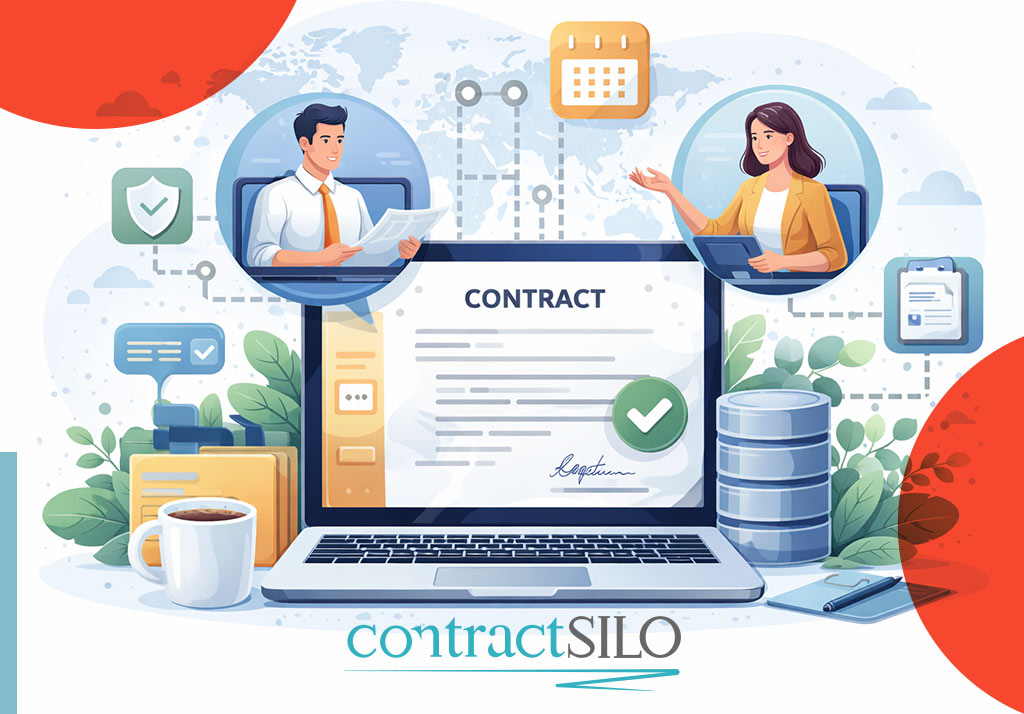
The Contract Discussion feature helps bridge departments (legal, procurement, operations) by enabling contextual collaboration on each contract.
Technical Must-Haves: Version Control & Change History
To be crisis-ready, contract systems need technical foundations. The following features—available in contractSILO Essential Plan—are particularly vital:
-
Contract Audit: Every change is logged with time stamps and user IDs, allowing for full traceability.
-
Contract Categorising: Contracts are organized by tags and types, making it easy to pull up all "supplier contracts" or filter those containing "force majeure" clauses.
These tools allow businesses to quickly identify vulnerable agreements and take corrective action before legal or financial damage occurs.
Collaboration Between Procurement & Legal
In times of uncertainty, software alone is not enough—teams must work together. Strong coordination between procurement, legal, and finance ensures better decision-making. The Contract Discussion module records communication and feedback across departments.
Essential Plan users can also define user roles and assign responsibilities, so it’s always clear who needs to approve what and when.
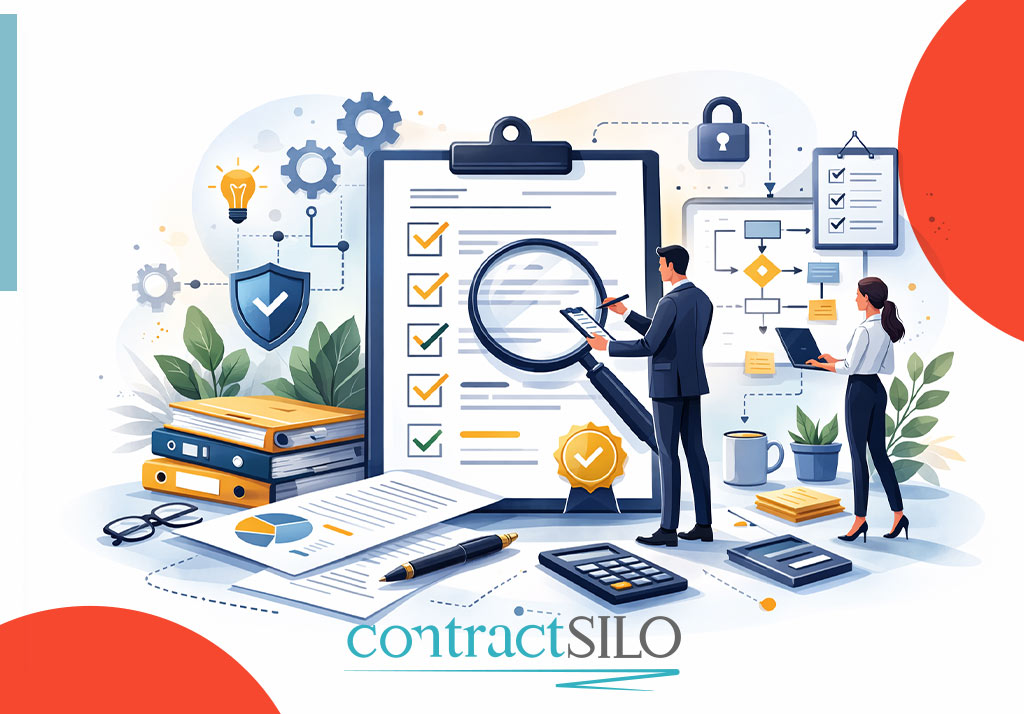
Crisis-Ready Checklist
For SMBs seeking a cost-effective contract management system, contractSILO Essential offers a robust toolkit:
Filter contracts with force majeure clauses
Highlight long-term contracts at risk of pricing disruption
Search and group contracts by category (e.g., suppliers)
Revert to previous versions via Contract Audit
Track internal discussions using Contract Discussion
This structure ensures that your organization is legally secure, agile, and prepared to handle change with confidence.
Frequently Asked Questions (FAQ)
1. Which features support crisis management in contractSILO?
Key features like Contract Audit, Contract Categorising, and Contract Discussion provide essential support during times of disruption by enabling change tracking, collaboration, and risk identification.
2. Is the Essential Plan enough for small businesses?
Yes. The Essential Plan is built for SMBs looking for a professional yet cost-effective contract management solution. It includes version control, team collaboration, and dashboard access.
3. How is change history tracked?
All changes are logged with the Contract Audit feature. You can view who made which change and when—with full transparency and control.
4. How are cross-department discussions managed?
With Contract Discussion, users can comment directly on contracts, raise revision requests, and record decisions—all within the platform.
5. Are contract categories user-defined?
Yes. Users can create and manage custom categories, making it easier to filter, report on, and analyze contracts by type, department, or risk level.
You might also like