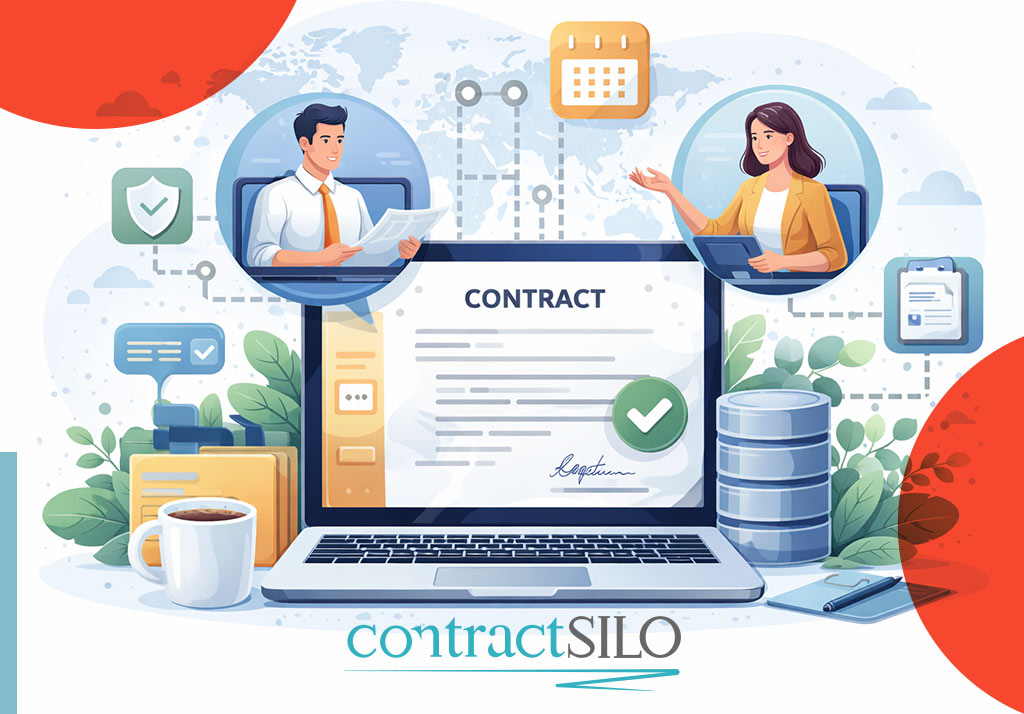
In today’s competitive business environment, effective contract management is not just a necessity—it is a strategic advantage. Companies that excel in contract management gain better financial control, reduce legal risks, and strengthen relationships with vendors, partners, and clients. Successful businesses do not simply sign agreements and file them away; they proactively track, analyze, and optimize their contracts to maximize value and mitigate potential issues before they arise.
Organizations that lack a structured contract management strategy can face serious repercussions. These can include unexpected financial losses, legal disputes, compliance violations, and service interruptions caused by overlooked renewal clauses or missed deadlines. However, with the right tools and best practices in place, companies can take full control of their contracts, ensuring efficiency, compliance, and cost savings.
One of the most effective solutions for contract management is contractSILO, a comprehensive platform that helps companies centralize contract storage, automate reminders, and analyze contract data to enhance decision-making. By implementing best practices and leveraging modern technology, businesses can streamline their contract management processes and avoid costly mistakes.
Key Best Practices for Effective Contract Management
1️⃣ Digitize and Centralize Contracts
A disorganized contract management system can lead to inefficiencies, lost agreements, and unnecessary delays. Digitizing and centralizing contracts in a secure, cloud-based system ensures easy access, better organization, and improved collaboration across departments.
-
Secure Storage: A centralized system reduces the risk of document loss and prevents unauthorized access.
-
Easy Retrieval: Instead of sifting through emails, filing cabinets, or different software tools, all contracts can be located instantly.
-
Collaboration: Multiple teams, including legal, procurement, and finance, can access relevant contracts without communication bottlenecks.
2️⃣ Use Automated Renewal Alerts
One of the most common pitfalls in contract management is missing key renewal dates, which can result in unexpected contract extensions or auto-renewals at unfavorable terms.
-
Prevent Unwanted Auto-Renewals: Many vendors include automatic renewal clauses that could lead to higher costs if not renegotiated in time.
-
Timely Notifications: Automated alerts notify contract managers well in advance of upcoming renewal deadlines, allowing time for negotiation and better terms.
-
Cost Optimization: With proactive reminders, companies can reassess contract performance and ensure they are receiving the best value before committing to renewals.
3️⃣ Regularly Audit and Optimize Contracts
Contracts should not be treated as static documents. Businesses should conduct regular reviews to ensure they are meeting financial obligations and leveraging cost-saving opportunities.
-
Periodic Reviews: Regularly auditing agreements helps identify outdated or unnecessary contracts that can be renegotiated or terminated.
-
Cost-Saving Opportunities: By analyzing payment terms, volume discounts, and service level agreements, companies can renegotiate better deals.
-
Ensuring Compliance: A contract audit ensures that all parties are adhering to their contractual obligations, reducing the risk of disputes and penalties.
4️⃣ Utilize AI for Smart Contract Analysis
Artificial intelligence (AI) is revolutionizing contract management by enabling companies to extract key insights from complex agreements quickly and accurately.
-
Automatic Clause Identification: AI-powered tools can highlight critical terms, obligations, and risks, reducing the need for manual review.
-
Compliance Monitoring: AI can scan contracts for regulatory compliance, ensuring businesses avoid fines and legal issues.
-
Risk Reduction: By analyzing past contract performance and patterns, AI can flag potential problem areas and suggest improvements.
Scenario: How Effective Contract Management Saved a Company Millions
? The Challenge: A Retail Giant with Over 500 Vendor Contracts
A large retail company relied on over 500 different vendor contracts for its supply chain and logistics. However, their manual contract management process was inefficient, leading to missed renewal dates and expensive penalties.
? The Problem: $2 Million in Excess Costs Due to Poor Contract Oversight
Without a centralized system, the company failed to renegotiate key supplier contracts in time. As a result, auto-renewal clauses locked them into agreements with higher prices, increasing procurement costs by $2 million over the course of a year.
✅ The Solution: Implementing contractSILO for Streamlined Contract Management
By adopting contractSILO, the company was able to:
-
Receive Early Renewal Alerts: Automated notifications helped them stay ahead of deadlines and renegotiate contracts before renewal dates.
-
Analyze Contract Clauses for Better Terms: AI-powered analysis helped identify cost-saving opportunities in existing agreements.
-
Centralize Contracts for Easy Access: Employees could quickly locate, review, and compare vendor agreements, reducing administrative overhead.
? The Result: Significant Cost Savings and Improved Vendor Negotiations
With a structured contract management approach, the company optimized vendor agreements, avoided costly auto-renewals, and saved millions in procurement expenses.
Companies that actively manage their contracts gain a significant competitive advantage. By leveraging automation, AI, and centralized contract repositories, they can reduce unnecessary expenses, ensure regulatory compliance, and improve operational efficiency.
contractSILO provides businesses with an intuitive and powerful platform to automate their contract processes. With features such as automated alerts, AI-driven contract analysis, and secure cloud storage, businesses can ensure they never miss an important contract deadline again. Even better, contractSILO allows businesses to manage up to 50 contracts for free, making it an accessible solution for companies of all sizes.
Don’t let poor contract management put your business at risk—embrace best practices and technology to gain full control over your agreements and drive long-term success.
You might also like